Great Barrier Reef, Australia
The Great Barrier Reef is impossible to miss—literally. From the air, a swirl of blues and greens stretches for hundreds of miles. Below, coral forests shimmer with life, fish flashing neon colors like confetti in the water.
Snorkeling or diving here is surreal. The silence underwater is almost meditative, broken only by your own breathing and the faint swish of fins. Turtles glide past, giant clams rest quietly, and the corals pulse with subtle colors. It’s a natural wonder that feels alive, fragile, and completely mesmerizing.
Uluru, Australia
Deep in the heart of Australia, Uluru rises like a giant red heartbeat from the desert floor. The rock changes color as the sun moves, from bright orange in the morning to deep crimson at sunset. It’s sacred to the Anangu people, and every visitor senses the weight of history and culture here.
Walking the base, you hear the desert whisper. Birds call, small animals scurry, and the stillness is almost tangible. Uluru isn’t just a rock—it’s an experience, spiritual and natural at the same time.
Daintree Rainforest, Australia
Up north, the Daintree Rainforest is a different kind of wonder. Humid, wild, alive. Trees tower above, roots twist like giant knots, vines hang like nature’s own curtains. Birds screech and insects buzz around, making the forest feel both chaotic and magical.
Boardwalks allow visitors to explore safely, but even a short walk immerses you in a world that’s millions of years old. Moss-covered trunks, damp earth, and shafts of light breaking through the canopy make every step feel like discovery.
Milford Sound, New Zealand
Milford Sound is often called the eighth wonder of the world, and for good reason. Sheer cliffs rise straight from dark waters, waterfalls tumble endlessly, and mist drifts lazily across peaks. Taking a boat through the fiord is like floating inside a living painting.
Rainy days bring hundreds of temporary waterfalls, sunlight days give perfect reflections, and evenings bring calm, glassy waters. It’s dramatic, quiet, and humbling all at once.
Tongariro National Park, New Zealand
Tongariro’s volcanic landscapes are raw, dramatic, and unforgettable. Hiking the Alpine Crossing, you pass steaming vents, craters colored red and black, and emerald lakes nestled amidst barren terrain.
The land feels alive, shaped by fire and ice over millennia. Wind can whip across ridges, chilling your face, while on calm days the views stretch for miles. Tongariro is wild in a way that makes you feel simultaneously small and awed.
Aoraki / Mount Cook, New Zealand
Mount Cook dominates the Southern Alps. Sharp peaks, glaciers, and turquoise lakes surround the area, creating scenes that make you catch your breath. Trails like the Hooker Valley Track take you past icebergs and streams that sparkle under sunlight.
At night, the skies are astonishingly clear. Stars seem close enough to touch, and the Milky Way arcs above. Hiking and camping here isn’t just an activity—it’s an immersion in one of Earth’s grandest playgrounds.
Rotorua, New Zealand
Rotorua is geothermal wonderland. Mud pools bubble, geysers erupt, and mineral terraces glow in muted colors. Sulfur scents the air, giving the area a distinct, unforgettable smell.
Beyond the raw geothermal power, Rotorua is steeped in Māori culture. Visiting villages, sharing traditional foods, or watching performances connects the natural wonder to human history and living tradition.
Fraser Island, Australia
Fraser Island is the world’s largest sand island, and it’s otherworldly. Lakes glint like mirrors, forests grow in sand dunes, and wildlife wanders freely. Driving along the beaches, you see dingoes, birds, and wallabies against a backdrop of golden sand and turquoise ocean.
The island’s diversity—rainforest, dunes, freshwater lakes, and beaches—feels impossible all in one place. Fraser Island is a playground for those who love nature in its rawest form.
Bay of Islands, New Zealand
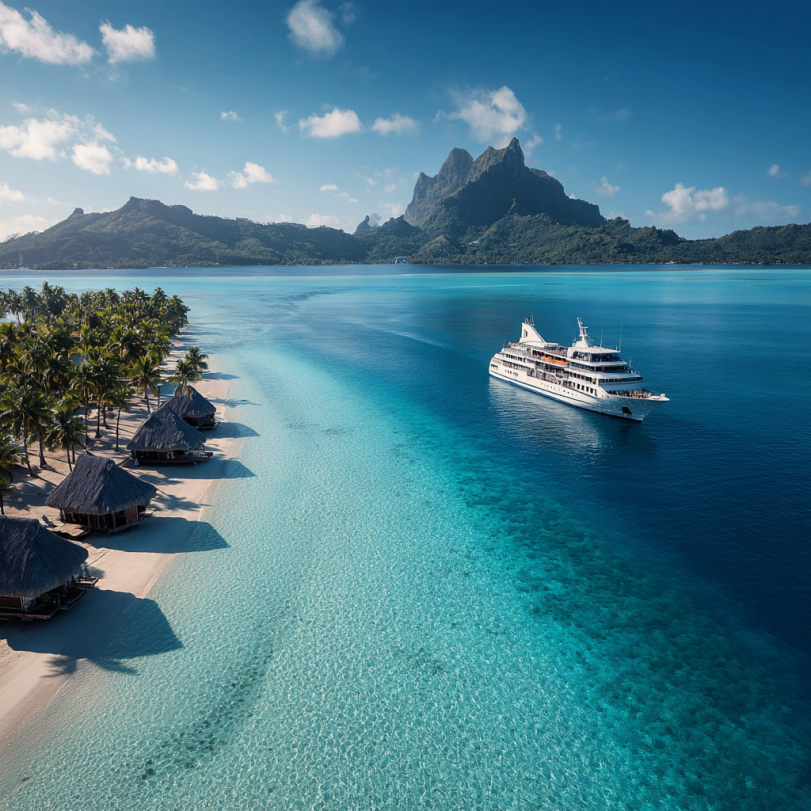
The Bay of Islands is scattered with over 140 islands, each with turquoise waters, hidden coves, and pristine beaches. Sailing, kayaking, or snorkeling feels like entering a secret world.
The area is also rich in history, with Māori villages and European settlement sites. The mix of culture and natural beauty makes it a unique destination, offering both adventure and tranquility.
The Magic of Oceania
Oceania’s natural wonders are diverse, dramatic, and immersive. From coral reefs to volcanic peaks, deserts to rainforests, the region is a feast for the senses. Every day offers something new: a sunrise over mountains, a dive in a reef, a walk through misty forests, or a quiet moment by a pristine lake.
Travel here is not just sightseeing—it’s experiencing land in its purest, most untamed form. Adventure, reflection, and awe come together, leaving visitors with memories that last a lifetime.