Landscapes That Play Every Role
Australia’s shape-shifting nature almost feels like a trick. One second you’re in a city that looks like a modern postcard, then two hours later you’re staring at red desert stretching so far that your eyes give up trying to measure it. The Outback has a strange silence that makes you hear your own heartbeat. The coasts, on the other hand, give endless beaches, some crowded with surfers, others so empty it feels like you discovered them by accident. Tasmania is colder, greener, older, almost like its own tiny country with cliffs that drop into frothy waves.
New Zealand is a whole other story. It’s the land where everything looks like it came from a fantasy movie. Mountains that rise sharp and proud, lakes that glow blue in a way that’s almost suspicious, rolling hills, glaciers, fjords that swallow fog and spit rainbows later. It’s a place where you can drive three hours and cross through four completely different climates. And somehow it never feels repetitive. It feels like nature showing off just a bit.
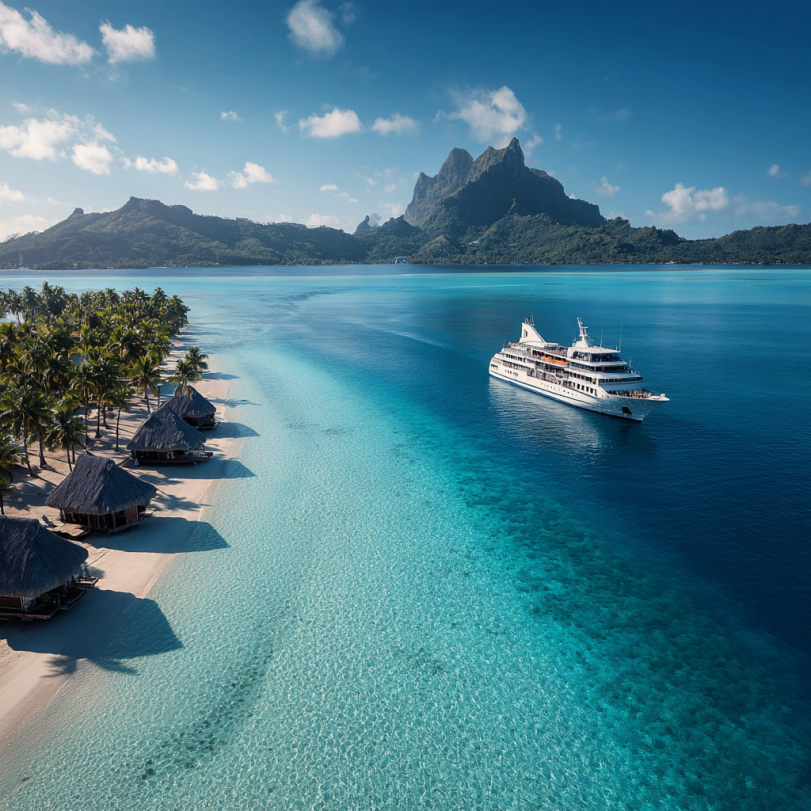
The Pacific islands don’t compete with size or drama. They charm you with simplicity, softness, slow rhythm. Fiji’s beaches curl like little smiles. Samoa’s waterfalls tumble through deep green, loud but still peaceful. Vanuatu mixes volcanoes and coral reefs and small coastal villages where you hear roosters before cars. Tahiti and Bora Bora shine with that luxe glow, sure, but walk a few streets away from the resorts and life is surprisingly normal, friendly, warm. Every island has its own face, its own smell of sea and earth and tropical fruit.
Cities That Stay Close to the Water
Oceania’s cities love the ocean so much that they practically lean into it. Sydney’s skyline greets the harbor like an old friend. Walk the waterfront early in the morning and you’ll see joggers weaving between gulls and fishermen untangling lines. Melbourne feels more artsy, more coffee obsessed, more layered with neighborhoods that have their own little quirks. Auckland spreads across narrow land, surrounded by water on both sides, almost like a city trying to balance itself between seas.
But leave the bigger metropolises and you enter towns that feel more like open door living rooms. In Suva, markets buzz with bright fruit and louder voices. In Apia, the rhythm is slow but full, like the day moves on island time no matter what your watch says. Even in places like Papeete, where cruises come and go, the evenings feel local, filled with barbecue smoke and conversations drifting from porches into the street.
These cities and towns are not trying to be anything fancy. They’re comfortable in their own skin. Their beauty is in small details, like laundry hanging in the sun, kids running barefoot, boats rocking gently in the harbor.
Oceans That Feel Like Characters
The Pacific isn’t just water. It’s a living thing in Oceania. It carries moods. Some days it’s flat and glassy, like a mirror reflecting the clouds. Other days it’s rough and noisy, shaking boats and daring surfers. It feeds people, shapes culture, fuels legends. Many island communities talk about the sea the way some people talk about forests or mountains. It’s home, it’s history, it’s protection and danger at the same time.
Snorkeling or diving here feels unreal. Coral in wild colors, fish that look like someone painted them in a hurry, turtles drifting like old wise beings. The Great Barrier Reef has taken a few hits over the years, but it still stretches wide and beautiful, especially in less trafficked corners. In French Polynesia, the water is so clear that you can see the sand ripple beneath your feet even when you’re not standing anywhere near shallow ground. In Palau, hidden lagoons and caves glow like scenes from some forgotten world.
Even if you don’t swim, the ocean shapes the experience. You hear it at night, even when you think you’re far from shore. You smell it in markets, in clothes drying on lines, in the morning air.
Cultures That Carry the Ocean Inside Them
Oceania’s cultural roots run deep, way deeper than many travelers realize. Indigenous peoples of Australia, Maori communities in New Zealand, and Polynesian, Micronesian, and Melanesian groups across the Pacific hold traditions that stretch back thousands of years. Language, dance, carving, tattooing, storytelling, all of it is woven into daily life.
You see Maori culture proudly present in New Zealand, not as a museum piece but as something living. In Fiji and Samoa, you feel a sense of community that’s strong and warm. Families are big, hospitality is natural, and visitors often get swept into gatherings without needing an invitation. In Vanuatu, ceremonies and dances carry old meanings, sometimes shown to guests, sometimes kept private. Respecting those boundaries is part of traveling well.
Australia’s Aboriginal communities share some of the oldest stories on Earth. When you walk through Uluru or Kakadu, you feel the weight of those stories even if you don’t know all the details. The land holds memory. Locals explain it carefully and often beautifully, and you understand a little more with each step.
Food That Tastes Like the Sea and the Sun
Food in Oceania is a mix of tradition, migration, and fresh ingredients pulled straight from the land or the ocean. In Australia, you get everything from beachside fish and chips to high end fusion restaurants. New Zealand loves its lamb, its wines, its creamy desserts, and its seafood that tastes ridiculously fresh.
But the Pacific islands hold the heart of regional cuisine. Fresh tuna lightly grilled, taro cooked slow, coconut in every form, tropical fruit that drips with sweetness. Dishes like kokoda in Fiji or oka in Samoa taste bright, cool, full of lime and coconut. In Tahiti, poisson cru is so simple yet so perfect that you remember its flavor long after you leave.
Meals often feel communal. You don’t rush. You share. You talk. Maybe you sit on the floor, maybe outside under palm leaves.
Adventure in Soft and Wild Forms
Oceania gives you every kind of adventure. Gentle or rugged, quiet or adrenaline filled. Hiking in New Zealand can be a multi day trek through mountains or a one hour walk through fern filled forests. Australia offers diving, surfing, desert trekking, sailing around the Whitsundays, and wildlife encounters that feel almost unreal when a kangaroo hops past you.
The islands add their own flavor of adventure. Kayaking across lagoons, climbing small volcanoes, visiting traditional villages, sailing between islands, snorkeling around reefs with bright fish swirling in clouds. Nothing needs to be rushed. The pace of the place sets the pace of your adventure.