The Big American Road, the One Everyone Talks About
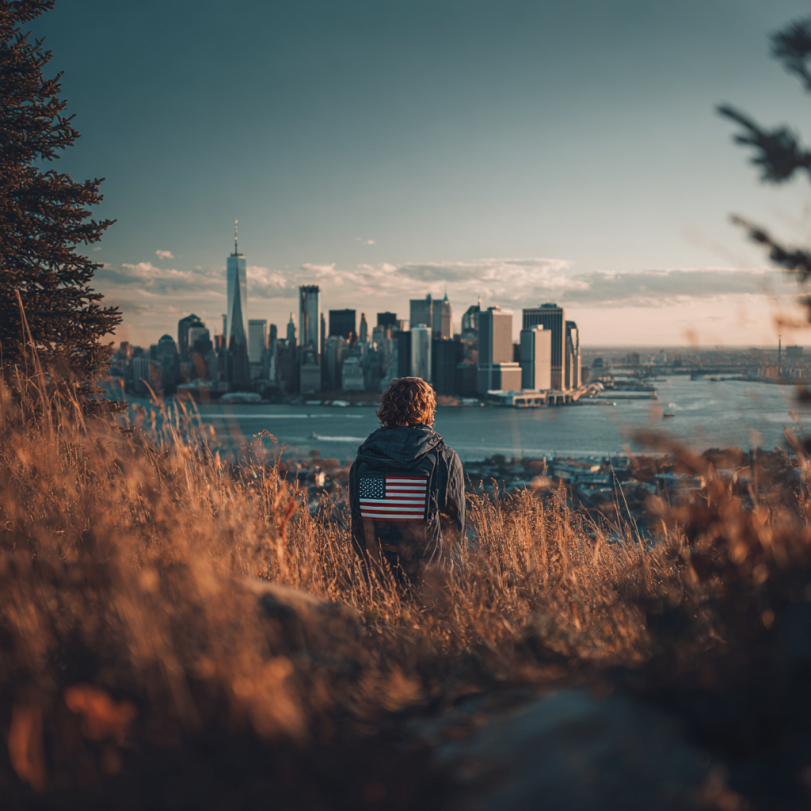
Let’s start in the Americas, where travel feels almost cinematic. You don’t even need a destination first, just a road and some half decent weather. Take Route 66, the classic. It is messy in parts, poorly marked in others, and yet still charming in that I’m-in-a-movie kind of way. Motels with neon signs buzzing, diners that look like time capsules, dusty towns that seem to sit quietly waiting for the next traveler to pass by. The route can be touristy, sure, but if you drift off the main stretch you’ll find corners where life moves slowly. Locals love talking about the old days, and you might catch a story or two that never made it into history books, but maybe should’ve.
Then there’s the American West, which honestly feels bigger than it looks in photos. And the photos already look huge. The Grand Canyon can swallow your thoughts. Yosemite shifts its moods every hour, shadows rolling across granite walls like they have somewhere urgent to be. Yellowstone throws geysers into the sky as if trying to startle you a bit. These places are not just beautiful. They’re theatrical, a bit wild, sometimes intimidating. But that’s what makes them unforgettable.
If you head south, Latin America pulls you in with rhythms and colors. Mexico’s ancient ruins rise like giant puzzles waiting to be solved, and cities like Oaxaca or Merida wrap you in warm spices, crowded markets, and streets humming with nightlife. Go deeper into South America and the Amazon notices you. It’s a rainforest that doesn’t care who you are, but if you enter respectfully, it gives you a front row seat to nature’s biggest show. And in Patagonia, you find the silence. Heavy, deep, weirdly comforting silence that makes you hear your own breath louder than usual. With mountains shaped like knife blades and lakes so blue they look edited, Patagonia is almost too pretty to be real. Yet it is very real, sometimes painfully so when the wind decides to slap your face.
Africa, Where Adventures Feel Ancient and New at the Same Time
Jump across the Atlantic, and everything shifts. Africa doesn’t unfold in a straight line. It comes in waves, in contrasts, in stories layered over thousands of years. There is no single African adventure, because each region has its own rhythm.
Start in East Africa. Tanzania’s Serengeti looks like one endless golden stage where animals rehearse their own version of life. Sunrise hits the grass, and suddenly the land is awake. Herds move like they’re following invisible lines. Lions stretch under acacia trees, slow and lazy. The Great Migration, if you’re lucky enough to see it, feels almost unreal. Thousands of hooves, dust rising, the ground vibrating. Nature performing a show without caring if anyone is watching.
Kenya gives you a similar thrill but with its own personality. Safaris here are not just sightseeing trips. They’re emotional, sometimes nerve-shaking moments. You sit in a jeep, the air still cool from morning, and a cheetah appears from the bushes, quiet and elegant. Or an elephant herd moves across the horizon, slow and patient, as if they have all the time in the world. Travelers often say they came for the wildlife but stayed for the people, because Kenyan hospitality is warm in a very real, sincere way, not the rehearsed kind.
Move north and the story shifts again. Morocco is a gateway into a blend of Africa, the Middle East, and Mediterranean flair. Busy medinas twist into labyrinths where spices, fabrics, and handmade crafts compete for your attention. The Sahara sits beyond it, a sea of golden dunes that changes shape every night. Ride a camel or just walk barefoot on the cold sand at dawn, and you’ll understand why so many travelers talk about the desert as if it has personality. It kind of does.
Egypt pulls you into history. Not the distant, dusty kind you learn in school, but the kind you can touch with your hands. Pyramids that still feel mysterious, temples carved with details that survived thousands of sunrises. The Nile moves calmly through the country, tied to traditions much older than anything modern tourism can squeeze in.
And then there’s the south. South Africa is one of those places where you feel like you’re visiting several countries at once. Wildlife, beaches, mountains, vineyards, multicultural cities, small fishing villages, adventure sports, and food scenes that mix African, European, and Asian influences. Cape Town’s Table Mountain looks different every day, depending on the mood of the clouds. The Garden Route is almost too lovely. And Kruger National Park guarantees at least one moment when you forget to breathe.
Why These Two Regions Work So Well Together
It might sound odd to jump from American forests to African deserts in one trip, but more and more travelers do it. Part of the magic is contrast. One region overwhelms you with modern power and geography that feels newly carved. The other invites you into landscapes that feel ancient, almost sacred.
In the Americas, adventure often comes with convenience. Good highways, recognizable food, plenty of options for travelers of all budgets. In Africa, adventure comes with emotion. It asks you to pay attention, to slow down, to accept unpredictability.
What they share is scale. Both continents remind you how small you are and how big the world can feel when you finally step outside your routine.
People, the Thread That Ties It All Together
Travelers sometimes focus so much on landscapes that they forget the real secret ingredient. It’s people who shape your experience, who add texture and warmth and humor to the stories you bring home. In the Americas, you meet road trippers, café owners, friendly strangers giving directions even if they slightly mistranslate them. In Africa, you hear ancestral stories, songs carried through generations, jokes told around campfires, guides who can read the land like a book.
Everyone you meet adds a small piece to your memory. A young vendor in Peru showing you her favorite snack. A Tanzanian guide pointing out animals long before you see them. A fisherman in South Africa explaining the tide by just looking at the sky. These moments are not listed in travel brochures, but they stay with you longer than the perfect sunset photos.
How Adventure Changes You Without Asking Permission
Something shifts after long travel. Maybe your confidence grows. Maybe your patience. Or maybe your understanding that the world is not one story but thousands layered together. American trips make you feel free. African trips make you feel grounded. Combine the two and you walk away with a different sense of your place on the planet.
You also become a bit more flexible. When flights get delayed or roads get dusty or plans shift without warning, you learn to adapt. And adaptation is a skill that sticks with you long after the suitcase is unpacked.
Choosing the Path That Matches Your Mood
If you want big landscapes and long open roads, America might be your first stop. If you want raw nature and cultural depth, Africa will blow your mind. But honestly, neither region demands that you choose only one style of travel. Both offer adventure for the careful planner and for the spontaneous I’ll-figure-it-out type.
And if you can, explore both in your lifetime. Their differences make your travel story richer. Their similarities make the world feel strangely connected.